
Last month, the Department of Education expanded AI-powered learning tools to more Filipino schools through Reading Progress and AGAP.AI (Source: Microsoft, 2026). By next year, the goal is to use those same tools to lift foundational literacy and numeracy outcomes nationwide (Source: Microsoft, 2026). The partnerships behind the rollout signal real commitment from government, technology providers, and civil society. The harder question is whether schools have the infrastructure to make the promise stick beyond the pilot phase.
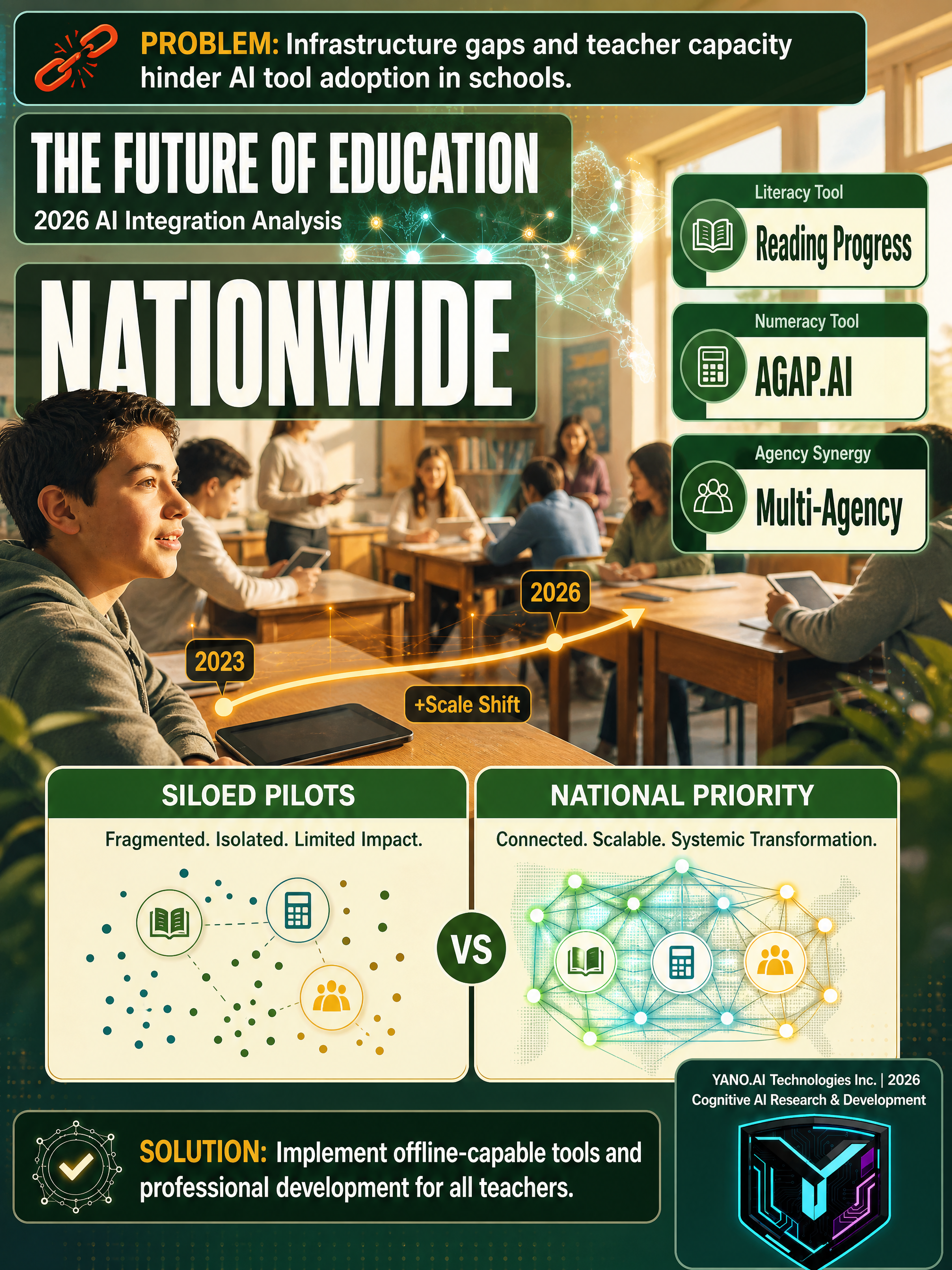
The AI Push in Basic Education Is Real
DepEd turned to AI-assisted reading and numeracy tools as part of a broader learning recovery push, with Microsoft supporting the deployment of Reading Progress and the launch of AGAP.AI (Source: Microsoft, 2026). The initiative targets teacher workload, literacy gaps, and digital readiness across thousands of public schools spread across more than seven thousand islands. On paper, that is a reasonable stack: diagnostics to surface individual student gaps, automation to reduce administrative paperwork, and platforms that can theoretically scale where connectivity allows. In practice, the rollout depends on devices, stable electricity, and teacher capacity to interpret AI-generated data instead of just trusting the output. That last part is often the weakest link.
What CHED RAISE 2026 Adds to the Picture
While DepEd focuses on basic education, CHED convened higher education and government leaders at RAISE 2026 to discuss a possible National AI Framework (Source: CHED, 2026). The event signaled that policymakers are treating AI as a cross-cutting priority rather than an EdTech add-on or a donor-funded experiment. What matters here is coordination: higher education research, TESDA skills pipelines, and basic education deployments need shared standards and shared vocabulary if the country wants coherent progress. Without alignment, AI projects remain pilots in silos, each measuring success differently. With alignment, they become a national capability stack that compounds over time instead of resetting with every administration change. That coordination work is unglamorous, but it is where most national AI strategies succeed or fail.
Infrastructure Is the Unspoken Constraint
AI tools perform very differently in schools with fiber internet and dedicated charging stations versus schools that still rely on mobile data and generator sets. UK-Philippines EdTech collaboration has emphasized digital maturity assessments and stress-tested tools for the Philippine context, which is a good sign that donors and agencies are not just importing solutions designed for different contexts (Source: UK Government, 2026). But hardware gaps, maintenance budgets, and teacher training cycles move slower than procurement announcements. Machine learning models can personalize lessons, but only after a learner logs in consistently over weeks or months. Consistency depends on devices and connectivity, not algorithms.
What Successful Adoption Actually Looks Like
Successful adoption is not about the newest model or the flashiest dashboard. It is about whether a teacher in a remote barangay can get a useful insight from the system before the class period ends. That requires offline-capable tools, local language support, and professional development that respects a teacher's existing workload instead of adding to it. It also requires school leaders who can translate technical jargon into classroom decisions without losing fidelity. The organizations running the rollout have started to recognize this, and some are investing in professional development alongside hardware. Whether that investment stays funded after the headline moment is the real test.
The Adoption Problem Is Actually a Data Problem
Teachers do not lack good intentions. They often lack clean, timely data on which students are falling behind and why (Source: EdTech Hub, 2026). AI literacy tools can surface those patterns automatically, but only if schools feed the system regularly and accurately. Irregular usage produces incomplete learner profiles. Incomplete profiles produce generic recommendations. Generic recommendations erode trust. That loop breaks when leadership treats AI as software to install instead of behavior to sustain. Sustained use requires sustained support: coaching, troubleshooting, and feedback channels that actually reach the classroom. It also requires school leaders who protect teacher time instead of crowding it with new reporting requirements.
FAQ
Q: Is AI in Philippine schools just hype?
A: No. There are active deployments and policy frameworks, but scale depends on infrastructure and sustained training, not algorithms alone.
Q: Which agencies are leading the AI-in-education push?
A: DepEd handles K-12 deployment, CHED leads higher education coordination, and TESDA covers skills training under the national skills framework.
Q: Will AI replace Filipino teachers?
A: No. The current systems are designed to support teachers with grading, diagnostics, and lesson planning, not replace classroom instruction.
Key Takeaway
AI tools are entering Philippine schools through credible partnerships and policy momentum. The next mile is about whether those tools survive real classroom conditions: spotty power, aging devices, and teachers who need time to learn. The organizations willing to fund maintenance, not just launch ceremonies, will determine whether this era of AI in education becomes a story about access or about adoption. Should Philippine education leaders prioritize hardware or teacher training first?
Sources
Sources — external references open in a new tab.