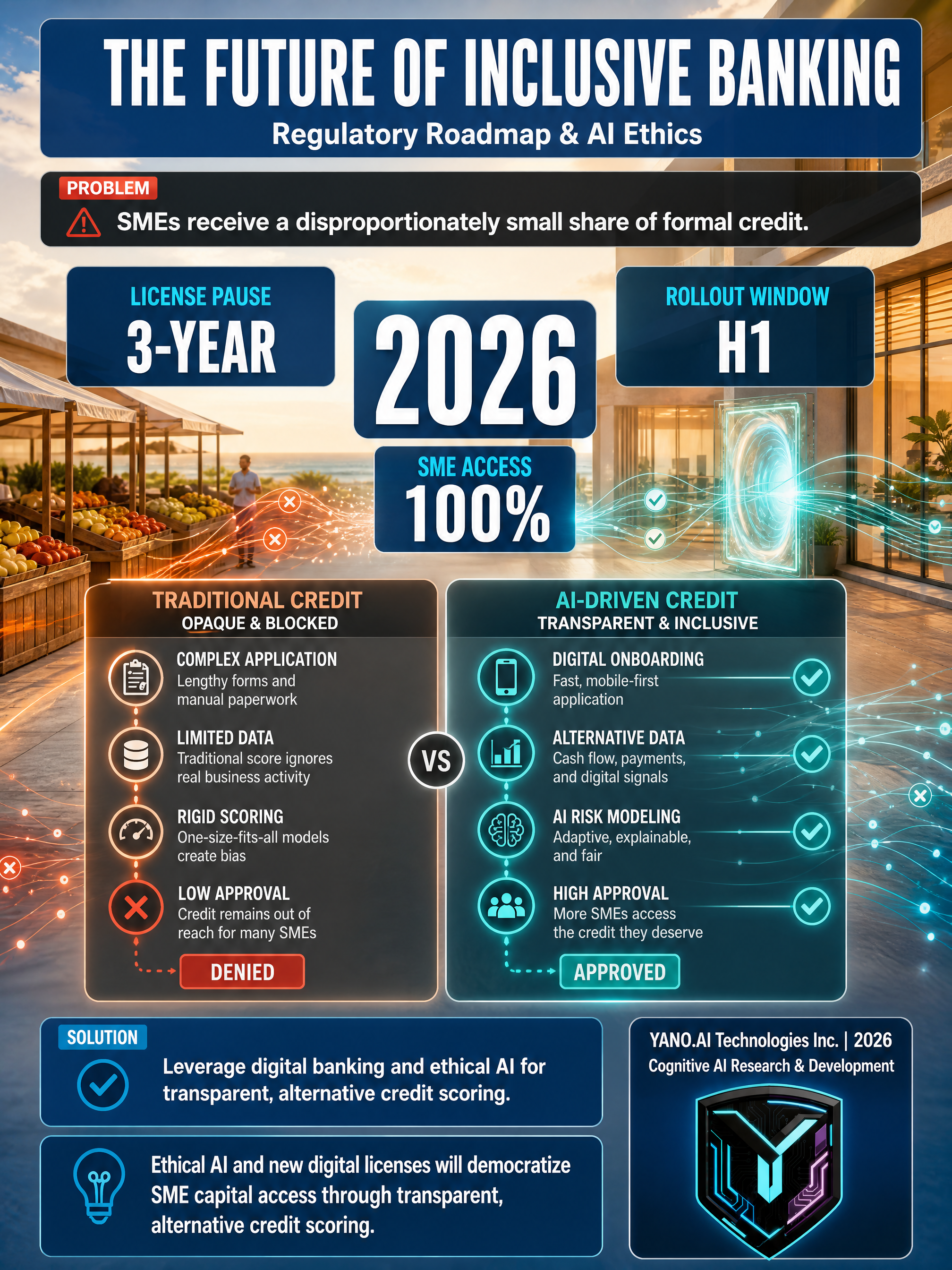
Last month, the Bangko Sentral ng Pilipinas confirmed it will issue ethical AI regulations for banks and vendors in the first half of 2026. For small business owners, that move may feel distant. The rules target financial institutions, not storefronts or sari-sari stalls. But those same regulations will shape whether your application for a business loan gets reviewed by a biased algorithm or a transparent one. BSP's push for ethical AI in banking, paired with its decision to reopen digital banking license applications after a three-year pause, creates a rare window for Philippine SMEs to reset how they access capital.
The Digital Banking Reopening Changes the Math
The Bangko Sentral ng Pilipinas will reopen applications for digital banking licenses after halting them for three years. That pause let the initial cohort of digital banks prove their models. Now, BSP is inviting new players. More digital banks means more competition for deposits and more pressure to serve underserved segments. Small businesses that were rejected by traditional banks during the pandemic are exactly the segment these new entrants want. (Source: Fintech News Philippines, 2026)
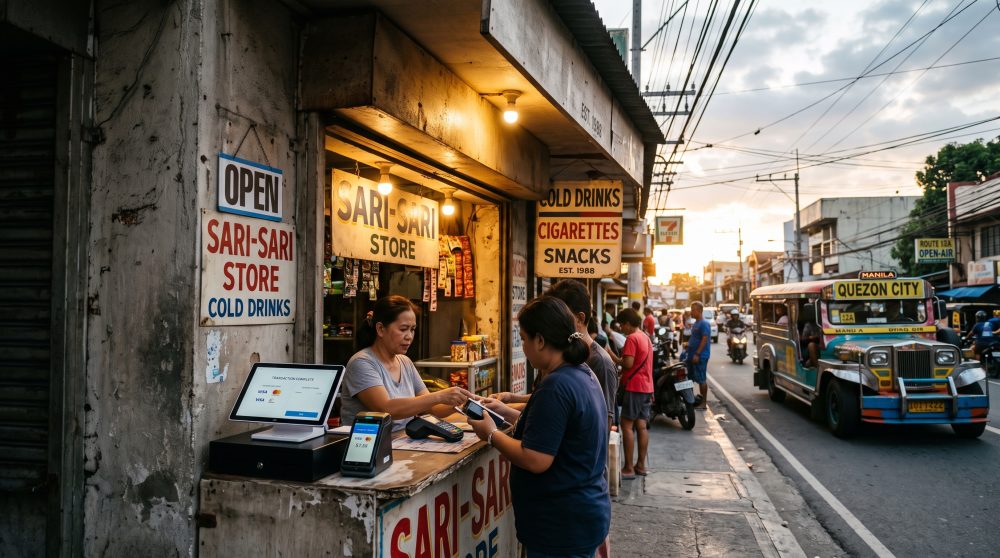
For SMEs, this is not just symbolic. Digital banks typically use alternative data for credit scoring. Transaction history from e-wallets, utility payments, and even social media activity can supplement traditional collateral requirements. A sari-sari store owner with consistent GCash inflows but no land title may find approval easier through a digital bank than through a branch-based lender. BSP's reopening signals that the regulator sees this gap and wants more solutions.
AI Rules Could Protect You From Bad Lending Decisions
BSP is drafting ethical AI guidelines for financial institutions. The framework will cover how banks manage bias, validate model accuracy, and document automated decisions. Right now, most SME loan approvals in the Philippines run through some form of algorithmic scoring. Few borrowers know why they were rejected or what data drove the decision. (Source: Asian Banking and Finance, 2026)
The proposed rules change that dynamic. If BSP requires explainability for credit decisions, a rejected SME owner could demand a clear reason instead of a generic denial letter. That transparency matters because SME lending in the Philippines already suffers from information asymmetry. Micro, small, and medium enterprises form the backbone of the Philippine economy, yet they receive a disproportionately small share of formal credit. Better-governed AI could shrink that gap by making lending decisions more consistent and less prone to human bias at the branch level. (Source: Global Legal Insights, 2026)
What Subscription Fees Could Mean for Your Bottom Line
BSP is studying a shift to subscription-based fees for digital payments. Right now, most merchants pay per-transaction fees when customers use cards or e-wallets. For a café processing fifty transactions daily, those fees add up to a meaningful monthly cost. A subscription model would cap that expense but require stable or growing volume to make sense. (Source: Fintech News Philippines, 2026)
SME owners should watch this development closely. Subscription pricing could lower costs for established businesses while raising barriers for seasonal or low-volume operators. The model favors predictability over flexibility. If your sales spike during Christmas and drop in January, per-transaction pricing may still serve you better. Ask your payment provider about upcoming pricing models so you are not surprised when BSP finalizes its guidance.
Practical Steps Before the Rules Take Effect
Regulatory shifts happen whether you track them or not. For Philippine SMEs, the BSP's AI and digital banking agenda offers both opportunity and obligation. First, clean up your digital footprint. Digital banks and AI-driven credit models rely on transaction records, tax compliance, and online documentation. If your business payments still run mostly through cash, start moving a portion through formal channels now. (Source: ICLG, 2026)
Second, request data portability from your current financial providers. When BSP's AI rules take effect, you will have more rights to understand and transfer your business credit history. Getting that documentation in order before you need it reduces friction later.
Third, engage your industry association. SME groups have a voice in BSP consultations. A collective request for clearer SME lending disclosures carries more weight than individual complaints. The rules are still being drafted, which means this is the moment to shape them.
FAQ
Q: Will BSP's AI rules affect my current bank accounts?
A: The rules target how financial institutions develop and govern AI systems. They will not directly change account terms, but they may change how your bank evaluates credit and compliance over time.
Q: Are digital banks safe for SME deposits?
A: Digital banks in the Philippines operate under BSP supervision and carry the same deposit insurance coverage as traditional banks through PDIC.
Q: How will subscription-based payment fees work?
A: BSP is still studying the model. Details on pricing tiers, eligibility, and implementation timeline have not been released.
Key Takeaway
BSP is reshaping the rules that govern Philippine financial services, and SMEs are the most affected constituency even though they are rarely consulted first. The reopening of digital banking licenses and the arrival of ethical AI regulations will determine who gets credit, who gets priced out of digital payments, and who gets to participate in the formal economy. Ask your bank what explainability standards they plan to adopt. Ask your payment processor how their pricing might change. The regulators are setting the table. Make sure your seat is at the table.
Sources
Sources — external references open in a new tab.