
Manny Cruz runs a small auto parts shop in Quezon City with three employees. In 2024, he spent roughly 18 hours per week on inventory management, customer follow-ups, and supplier orders - work that felt necessary but left little time to grow his business. By February 2026, Cruz had deployed a simple AI agent system that automated most of those repetitive tasks. His sales grew by 34% in the first quarter, not because he worked more hours, but because he finally had time to focus on customers.
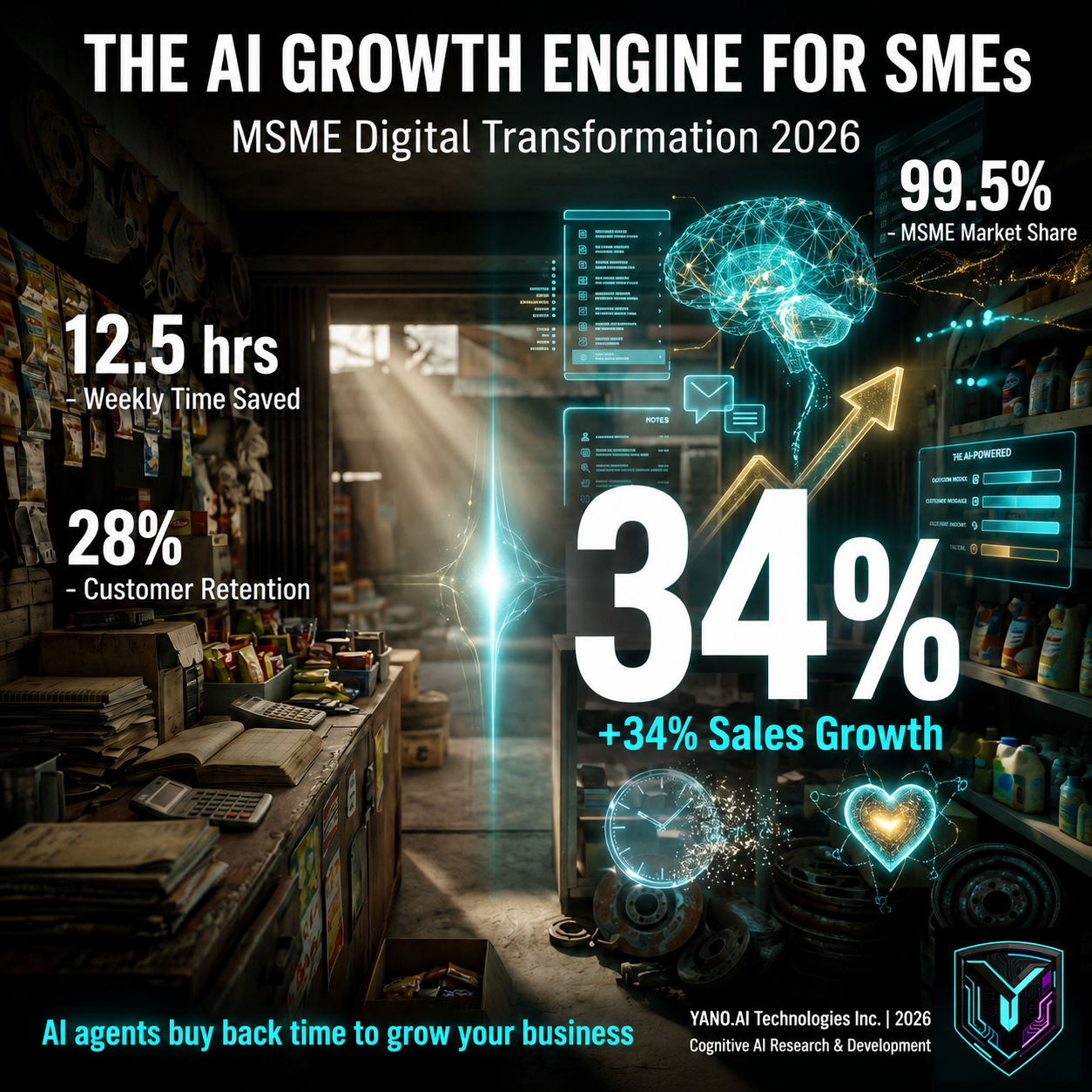
This scenario is repeating across the Philippines, where micro, small, and medium enterprises ( MSMEs ) make up 99.5% of all registered businesses in the country. These enterprises employ roughly 63% of the Philippine workforce, yet many still operate with manual processes that consume hours better spent on strategy and customer relationships. AI agents are changing that equation - and faster than most Filipino business owners expected.
What AI Agents Actually Do for Small Businesses
An AI agent is a software program that uses artificial intelligence to perform tasks autonomously, often chaining together steps like gathering data, making decisions, and executing actions without constant human input. For a bakery owner in Cebu, that might mean an agent monitoring inventory, flagging when flour supplies are low, and automatically sending reorder requests to a supplier. For a logistics startup in Manila, it might mean an agent that drafts customer responses, schedules deliveries, and reconciles billing - all without an assistant touching the keyboard.
The practical value for Philippine SMEs is significant. A 2025 survey by the Asian Development Bank found that small businesses in Southeast Asia that adopted AI automation saved an average of 12.5 hours per week on administrative tasks. That time translates directly into capacity: more time to negotiate with suppliers, train employees, or simply ensure quality on every order.
Philippine SMEs face structural constraints that make this especially valuable. Access to trained administrative staff is expensive in urban centers, and in provincial areas, finding reliable help can take months. AI agents do not quit, do not require government-mandated benefits, and can operate around the clock during peak seasons.
The Real Costs: What Business Owners Should Expect
No technology adoption is free, and AI agents are no exception. The primary cost is not software - it is change management. Business owners who treat AI agent deployment as a simple software install typically fail. Those who treat it as a workflow redesign succeed.
Initial setup costs vary widely. Basic AI agent tools for small businesses range from free tiers to approximately Php 5,000 to Php 15,000 per month for more capable systems, depending on the complexity of tasks and volume of transactions. Custom-built agent systems for businesses with unique workflows can cost significantly more upfront but often pay for themselves within six months through saved labor hours.
Training time is the hidden cost that gets underestimated. Expect your team to need two to four weeks to learn new workflows and understand what the AI agent is doing and why. Staff who feel threatened by automation often resist; businesses that frame AI agents as tools that make their jobs easier rather than replace them tend to get faster adoption.
Data quality determines agent effectiveness. AI agents learn from your business data - customer records, inventory logs, communication templates. If that data is scattered across notebooks, text messages, and mismatched spreadsheets, the agent will struggle. Getting data organized is not glamorous work, but it is the foundation everything else builds on.
Where AI Agents Deliver the Fastest Returns
Not every business process benefits equally from automation. Based on case studies from Philippine SMEs and similar enterprises in Southeast Asia, three areas consistently show the fastest returns.
Customer communication is the top use case. Agents that handle appointment reminders, order status updates, and response to frequently asked questions reduce response times from hours to seconds. A 2025 Microsoft study on Southeast Asian businesses found that companies using AI for customer communications saw a 28% increase in customer retention rates, largely because clients appreciated getting instant, accurate responses.
Inventory and supply chain management ranks second. For businesses that carry physical products, even simple automation - tracking stock levels, alerting when items run low, generating purchase orders - prevents the lost sales and emergency orders that eat into margins.
Financial reconciliation and reporting is third. Matching bank transactions to invoices, tracking receivables, and generating tax-compliant reports are time-intensive tasks that AI agents can handle with high accuracy. Philippine businesses operating under BIR regulations benefit particularly from systems that maintain audit-ready records automatically.
Choosing the Right AI Agent for Your Business
The market for AI business agents has grown crowded, and not all tools are equal. Filipino SME owners should evaluate three factors before committing: ease of use, language capability, and integration options.
Ease of use matters because your team likely has limited technical bandwidth. Tools that require coding knowledge or extensive configuration add friction that small teams cannot afford. Look for platforms with Filipino-language support and local customer service.
Language capability is non-negotiable for many Philippine businesses. Most AI agents are trained primarily on English, which limits their effectiveness for businesses whose customers communicate primarily in Filipino or regional languages like Bisaya, Ilocano, or Ilonggo. Some newer platforms specifically target Southeast Asian languages and offer better performance for local use cases.
Integration options determine whether your AI agent can actually connect to your existing systems. If your inventory data lives in a custom spreadsheet that no mainstream platform supports, you will spend more time moving data around than saving time. Assess your current tools before choosing an agent platform.
Getting Started Without Overcommitting
Business owners who feel overwhelmed by the idea of AI adoption can start smaller than they think. A practical first step is automating just one repetitive task - appointment confirmations, daily sales summaries, or supplier follow-up emails - and running it for 30 days before expanding.
This approach has a specific advantage for Philippine SMEs: it builds internal capability and confidence without betting the entire operation on a new technology. Teams that see one successful automation tend to become advocates for more. Those who try to automate everything at once often face resistance that derails the entire initiative.
Government programs through the Department of Trade and Industry and various local tech adoption schemes increasingly include AI training components. Business owners should check what subsidies or training programs are available in their region before paying full price for tools or implementation support.
Key Takeaway
AI agents are not a future possibility for Philippine SMEs - they are a present tool that businesses like Manny Cruz's auto parts shop are already using to grow. The competitive disadvantage of ignoring automation grows larger every quarter as more businesses adopt these systems and capture the efficiency gains that laggards forfeit.
The question is not whether to adopt AI agents, but which single task to automate first.
Sources
Sources — external references open in a new tab.